Spray foam loft insulation has become a bit of a hot topic and not for the right reasons.
If you ask most retrofit professionals today, you'll likely hear the same advice: “Be very careful with it.” In fact, in many cases, the recommendation is simple, avoid it or you should fully understand the risks.
Spray foam insulation might solve one problem but it can create several others. Unlike many retrofit mistakes, this one can directly impact your property's value and saleability.
What Is Spray Foam Loft Insulation?
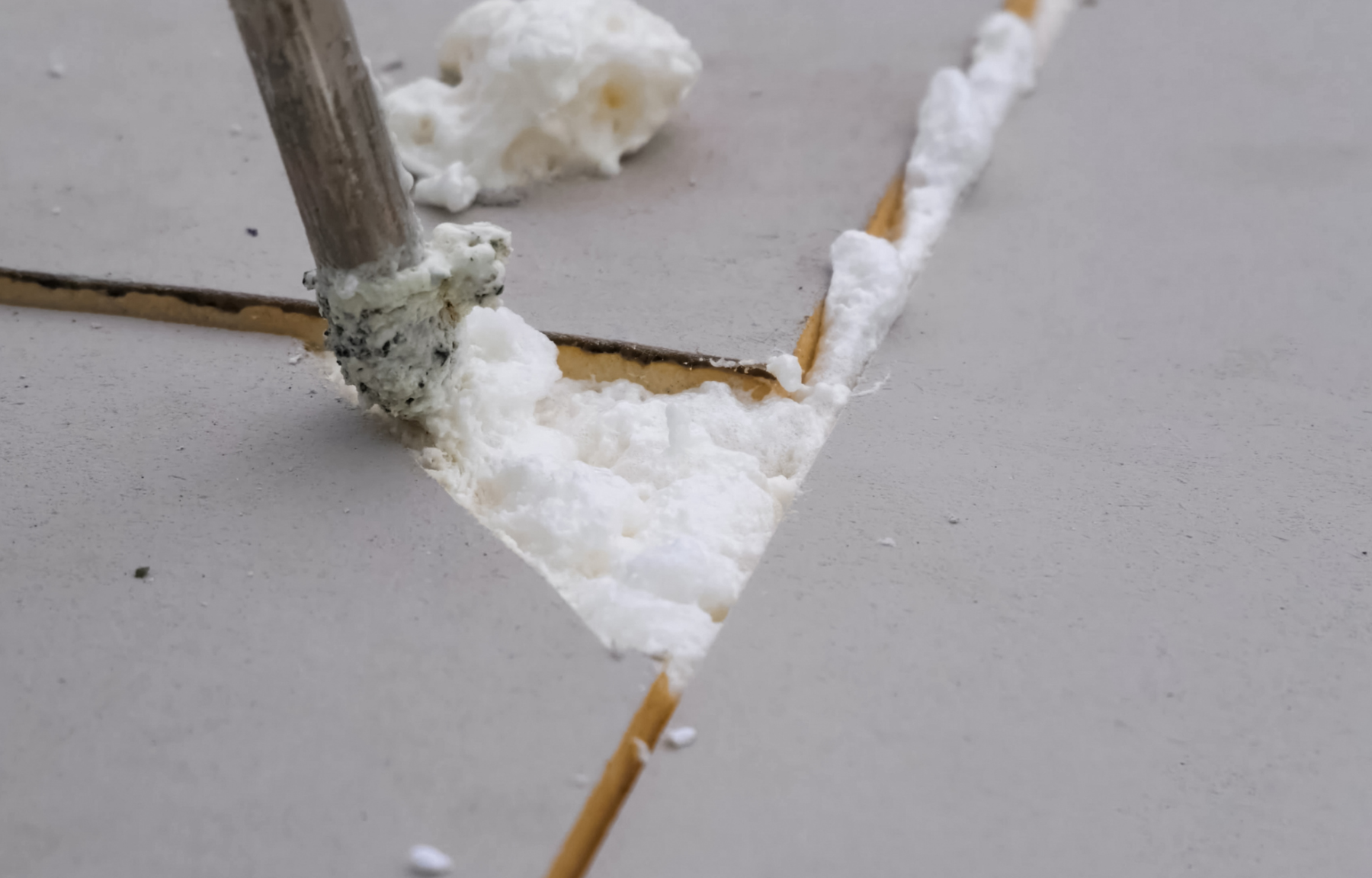
Spray foam insulation is applied directly to the underside of your roof. It expands on contact, filling gaps and creating an airtight seal.
On paper, it sounds ideal with strong insulation performance, reduces draughts and Improved energy efficiency, and technically, it can work well.
But the issues don't come from what it does, they come from what it hides and how it interacts with the building.
Why Spray Foam Insulation Is Causing Problems in the UK
This is where things get more serious.
In recent years, many UK mortgage lenders have become increasingly cautious about properties with spray foam insulation in the roof. Guidance from bodies like the Royal Institution of Chartered Surveyors (RICS) has highlighted the risks around inspection, ventilation, and long-term durability which has directly influenced how surveyors and lenders approach these properties.
Why does this matter? Because surveyors often can't fully assess:
- The condition of the roof timbers
- Whether rot or structural issues are hidden beneath the foam
- If ventilation has been compromised, leading to moisture build up
And if a surveyor can't confidently sign off on the roof structure, lenders are far less likely to approve a mortgage.
From a lender's perspective, it's simple: limited visibility = higher risk.
In practice, this can lead to mortgage applications being declined or delayed, buyers struggling to secure lending, a reduced pool of potential buyers (often limited to cash purchasers) and an increased likelihood of offers below market value.
Some lenders may still proceed, but often only with:
- Additional specialist surveys
- Partial removal of the foam for inspection
- Or specific certification confirming correct installation
So even if the insulation itself performs well, it can still create friction when selling and that's where the real impact is felt.
What’s Happening Behind the Foam
The biggest concern isn't the insulation itself — it's what's happening underneath it.
Spray foam adheres directly to roof timbers and tiles, which means:
- You can't easily inspect the structure
- Moisture issues can go unnoticed
- Repairs become more complex and costly
Ventilation also becomes a key issue.
Traditional lofts rely on airflow to manage moisture. When foam is introduced, especially incorrectly, that balance can be disrupted.
If moisture builds up and can't escape, you risk:
- Condensation
- Timber decay
- Long-term structural issues
Can You Sell a House with Spray Foam Insulation?
Yes — but it can be significantly more difficult.
In the UK, mortgage lending decisions are ultimately driven by valuation risk. Where spray foam insulation is present, valuers acting on behalf of lenders often raise concerns around inspection, ventilation and the condition of concealed roof timbers.
If those risks can't be clearly assessed or evidenced, it can impact lending decisions.
In practice, this can lead to:
- Mortgage applications being declined or referred for further investigation
- Lenders requesting specialist reports or invasive inspection
- A reduced pool of buyers, often limited to those not reliant on lending
- Downward pressure on offers where risk cannot be quantified
The issue isn't always the insulation itself, it's the lack of visibility and certainty it creates during valuation. As a result, spray foam insulation is increasingly treated within the lending and surveying process as a material risk factor, particularly where documentation, certification, or inspection access is limited.
Open Cell vs Closed Cell Foam
From my experience not all spray foam is the same.
There are two main types: Open Cell and Closed Foam.
Open Cell Foam
- Vapour permeable (allows some moisture movement)
- Generally considered lower risk
- Still requires proper ventilation and installation
Closed Cell Foam
- Dense and non-permeable
- Acts as a strong barrier to moisture
- Higher risk if ventilation isn't properly addressed
If a loft with foam insulation shows signs of moisture on timbers, it's often linked to poorly installed closed cell foam.
Why Are Lenders Concerned?
From a lender's perspective, the issue isn't just performance, it's visibility and risk.
They're asking:
- Are the timbers structurally sound?
- Is there hidden damage we can't see?
- Has ventilation been compromised?
Now, more often than not, If those questions can't be answered clearly, many lenders simply won't proceed.
That's why this has become less of an insulation discussion and more of a property risk issue.
Does Spray Foam Improve Your EPC Rating?
In most cases, spray foam insulation in the loft is not recognised within EPC assessments in the same way traditional insulation is.
So you can spend a significant amount installing it, take on potential resale risk and see little to no improvement in your EPC rating
Which defeats the purpose for many homeowners and landlords.
Where Can Spray Foam Work?
To be fair, spray foam isn't always a bad solution. In very specific cases such as complex roof structures, hard-to-insulate areas or specialist retrofit scenarios it can actually be used effectively.
But, it needs and relies on careful design, correct product selection, a proper ventilation strategy and a full understanding of any future implications
This is not a “quick win” upgrade and does have the potential to have longer term consequences.
Before You Consider Spray Foam Insulation…
If you're thinking about spray foam insulation, ask yourself or an assessor:
- How does this help my big picture?
- Will this impact my ability to sell the property later?
- How will the roof structure be inspected in future?
- Has ventilation been properly designed?
- Is there a simpler, lower-risk insulation option available?
Because in most cases, traditional loft insulation (e.g. mineral wool) delivers:
- Strong performance
- Lower cost
- No impact on mortgageability