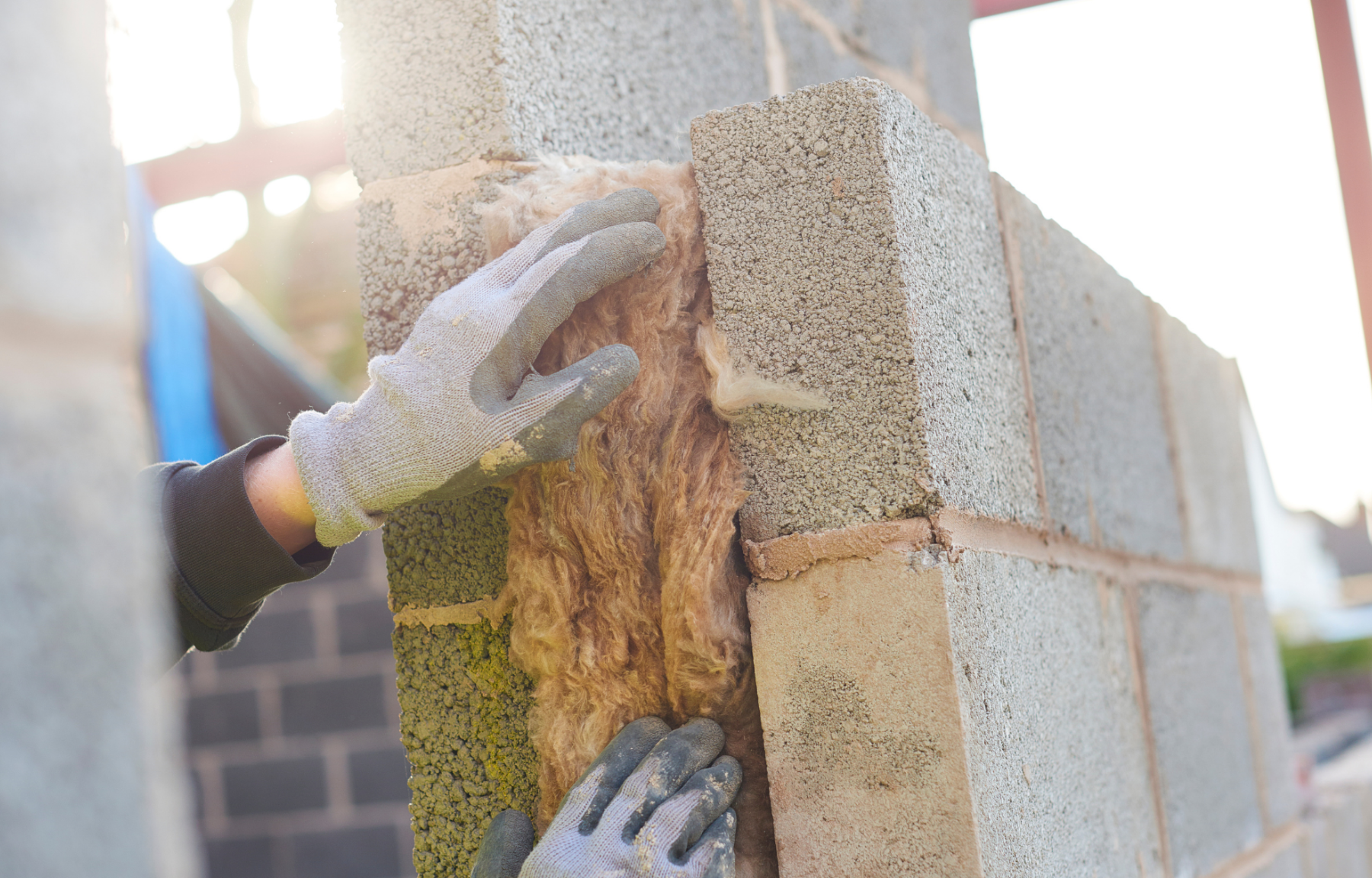
Cavity wall insulation has built up a bit of a reputation over the years.
When I speak to landlords or homeowners, I often hear the same concern:
“Doesn't it cause damp?”
To be fair, that concern didn't come from nowhere, but like most things in retrofit, the reality is more nuanced.
What Is Cavity Wall Insulation (And Why It Exists)
Cavity walls are typically found in properties built after around 1935.
They consist of:
- Two layers of brickwork
- With a gap (or “cavity”) in between
Originally, that gap helped prevent rainwater from passing from the outer wall to the inside of the home.
Cavity wall insulation works by:
- Drilling small holes into the external wall
- Injecting insulation material (often polystyrene beads or mineral wool) into the cavity
- Sealing the holes once complete
It's a relatively quick job, often completed in a day and when done correctly, it can significantly reduce heat loss.
So Where Did the Problems Come From?
The issues people talk about like damp, mould, condensation are usually linked to how installations were done in the past, not the concept itself.
Historically properties weren't properly assessed before installation, ventilation wasn't considered, existing defects were ignored and cavities were sometimes unsuitable but filled anyway. In those situations, problems can and did occur and it's important to understand why.
The Key Issue: Moisture, Not Insulation
There's a common belief that cavity wall insulation “stops a house from breathing.” In reality, houses don't breathe through walls in the way people think, ventilation happens through air movement, not brickwork.
What insulation does do is:
- Reduce heat loss
- Change how moisture behaves within the building
If moisture is already present from poor ventilation, wet rooms without extraction or existing damp issues then improving insulation without addressing those factors can make problems more noticeable.
So, What Should Happen Before Cavity Wall Installation?
This is where modern retrofit standards have improved significantly.
A proper installation today should start with a full assessment of the property, including:
Ventilation Check
- Are there working extractor fans in kitchens and bathrooms?
- Are trickle vents present and functional?
- Is there adequate airflow throughout the property?
Condition of the Building
- Is the damp proof course intact?
- Are there signs of existing damp or water ingress?
- Is the external wall in good condition?
Cavity Suitability
- Is the cavity clear of rubble or debris?
- Is the gap wide enough to fill effectively?
- Is the wall exposure suitable (not overly exposed to driving rain)?
If these checks aren't done, the risk of issues increases.
Where Cavity Wall Insulation Works Well
In most post-1950s properties, cavity wall insulation is straightforward to install, low disruption and high impact in terms of energy savings.
When the property is in good condition and properly assessed, there's generally no reason why it should cause damp or mould.
In fact, it often improves comfort significantly by:
- Reducing cold spots
- Minimising condensation risk when paired with good ventilation
Where Caution Is Needed
Problems are more likely in:
- Properties exposed to high levels of wind-driven rain
- Walls with existing defects (cracks, poor pointing)
- Homes with poor ventilation
- Cavities that are narrow, blocked, or inconsistent
In these cases, installation may still be possible but it needs to be approached carefully, or avoided altogether.
Before You Go Ahead
If you're considering cavity wall insulation, make sure you:
- Understand all your options and plan out your next steps.
- Get a proper survey done
- Check ventilation is adequate throughout the home
- Address any existing damp or defects first
- Confirm the cavity is suitable to be filled
- Ensure you engage a reputable and compliant installer
Because when it's done properly, it's one of the simplest and most effective upgrades available.